
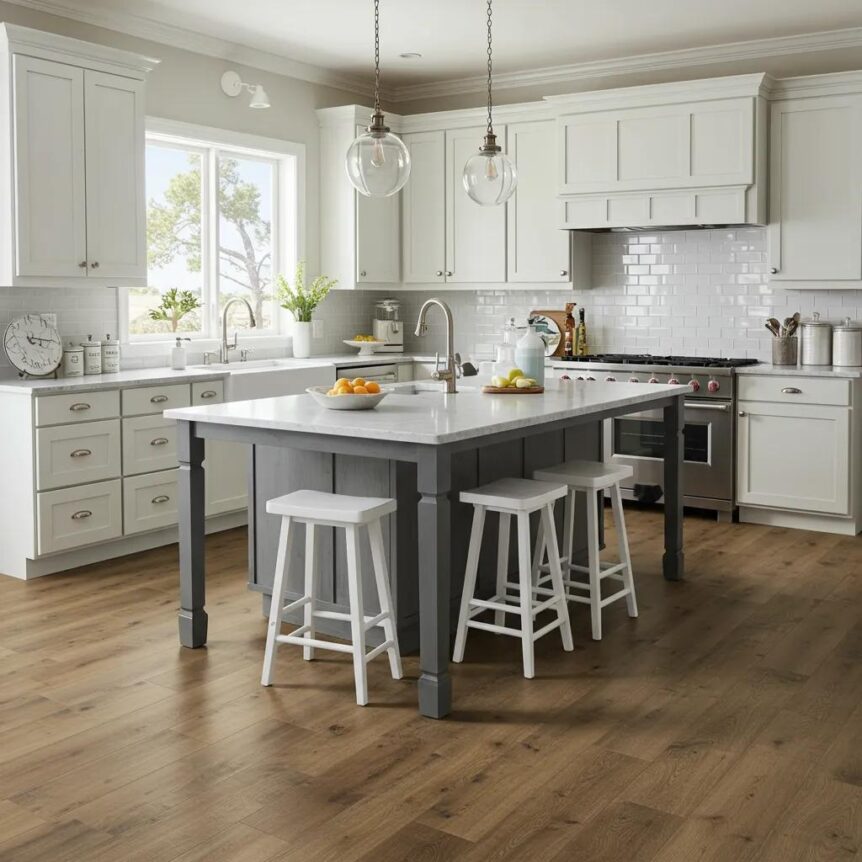
Choosing the right kitchen flooring for a Fort Lauderdale remodel starts with balancing style, durability, and climate resilience to protect your investment and enhance daily life. This article explains how material properties like water resistance, scratch resistance, and thermal comfort affect long-term performance in coastal South Florida, then compares leading options and practical maintenance strategies. Homeowners will learn which flooring types—including luxury vinyl plank, porcelain tile, and engineered hardwood—best match busy families, coastal condos, and design-forward kitchens while accounting for humidity and salt air. The guide maps decision steps, current 2025 trends, cost and ROI expectations for the Fort Lauderdale market, and eco-friendly alternatives that withstand local conditions. Practical checklists, comparison tables, and local installation guidance will help you choose flooring that looks great, performs reliably, and boosts resale appeal.
What Are the Top Durable and Waterproof Kitchen Flooring Options for Fort Lauderdale Homes?
Durable, waterproof kitchen flooring refers to surfaces engineered to resist moisture intrusion, heavy foot traffic, and salt-related degradation while maintaining appearance over time. In Fort Lauderdale, materials must handle high humidity, occasional water exposure, and thermal cycling, so waterproof performance plus scratch resistance are primary selection criteria. Choosing materials with robust wear layers, appropriate underlayment, and corrosion-resistant components reduces lifecycle maintenance and preserves resale value. Below we compare the most suitable hyponyms of flooring for coastal kitchens and outline typical use-cases and upkeep expectations for each option.
Why Is Durability and Waterproofing Essential for Kitchen Flooring in Florida?
Durability and waterproofing are essential because Fort Lauderdale’s humid subtropical climate accelerates moisture-related failures, dimensional changes, and finish wear when materials are not properly specified. Constant humidity and salt air can degrade adhesives, corrode fasteners, and encourage mold growth in porous substrates, so selecting hydro-stable products and sealed junctions prevents costly repairs. Durability reduces scratch and dent vulnerability from daily kitchen traffic—especially in homes with pets or heavy cookware—while waterproof surfaces simplify cleanup for spills and storms. Prioritizing these characteristics up front ensures a longer lifespan and lower total cost of ownership in coastal remodels.
How Do Luxury Vinyl Plank and Porcelain Tile Compare for Fort Lauderdale Kitchens?
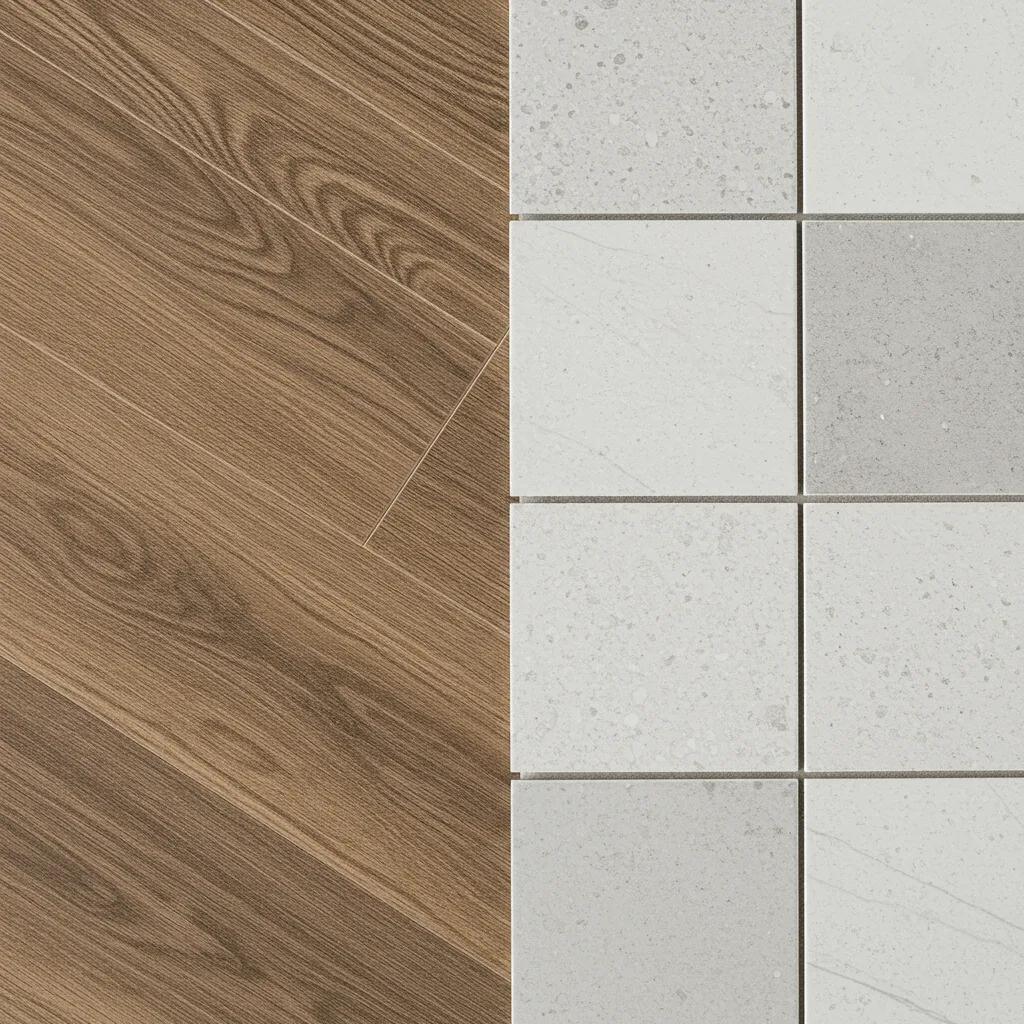
Luxury vinyl plank (LVP) and porcelain tile are leading contenders because both offer strong water resistance with different performance trade-offs that matter in Fort Lauderdale. LVP is a plank meronym that provides warm, slip-resistant underfoot comfort and a softer surface that resists cracking, while modern LVP with high-density core technologies delivers near-waterproof to fully waterproof performance. Porcelain tile is a dense ceramic hyponym that excels at scratch and stain resistance, tolerates salt exposure, and anchors modern large-format aesthetics, though it can be cooler underfoot and requires grout maintenance. The decision often comes down to desired look, comfort, underlayment strategy, and the homeowner’s tolerance for grout upkeep.
This side-by-side pros and cons list clarifies typical homeowner trade-offs before the technical comparison table:
- LVP Pros: Waterproof options, warm and quiet underfoot, easier DIY-friendly installations.
- LVP Cons: Varying quality across brands; lower long-term hardness than porcelain.
- Porcelain Pros: Extremely durable, scratch- and stain-resistant, wide design range including large-format looks.
- Porcelain Cons: Can feel cold and hard; grout requires periodic sealing.
Different materials perform distinct roles through attributes like water resistance, lifespan, and maintenance needs; the table below summarizes typical properties to guide selection.
| Material | Water Resistance | Typical Cost (per sq ft) | Maintenance | Ideal Use-Case |
|---|---|---|---|---|
| Luxury Vinyl Plank (LVP) | Waterproof (with SPC/WPC cores) | Mid-range | Sweep, damp mop; avoid abrasive pads | Busy households, coastal condos |
| Porcelain Tile | Highly water-resistant | Mid to high | Sweep, grout cleaning and occasional reseal | High-traffic, high-end finishes |
| Engineered Hardwood | Water-resistant (not waterproof) | Mid to high | Regular sweeping, spot damp mop, refinish occasionally | Design-forward kitchens with careful moisture control |
This EAV-style comparison shows how waterproofing and maintenance interact with cost and use-case; owners should weigh upfront cost against lifecycle maintenance and style goals before committing.
After reviewing top materials and their coastal suitability, homeowners can benefit from local expertise when specifying finishes and installation techniques that address Fort Lauderdale’s unique climate and building stock.
MELTINI Kitchen & Bath Designs brings local selection experience to these material choices and can assist with specifying suitable LVP, porcelain, or engineered hardwood that aligns with coastal conditions. Their team handles material selection and installation coordination to ensure substrate preparation, underlayment choices, and edge detailing meet humidity and salt-air requirements specific to Fort Lauderdale. Homeowners looking for professional guidance can schedule a showroom consultation or request a site assessment to translate material comparisons into a project-ready specification.
How Can You Choose the Best Kitchen Flooring Based on Style and Functionality?
Selecting the best kitchen flooring requires matching aesthetic priorities with functional demands—durability, waterproofing, and comfort—so the material performs where and how you live. A practical framework first assesses daily usage, household profile, and desired maintenance burden, then narrows style choices that meet those functional constraints. This approach links hypernyms like flooring and kitchen remodeling with hyponyms (LVP, porcelain, engineered hardwood) to align material characteristics to design intent. The result is a clear decision pathway that balances visual goals with practical longevity in Fort Lauderdale kitchens.
What Are the Latest Kitchen Flooring Trends for 2025 in Fort Lauderdale?
2025 trends emphasize natural looks achieved through durable, low-maintenance materials: wood-look LVP, large-format porcelain, and warm neutral palettes that complement coastal interiors. Wood-look LVP continues to dominate due to its combination of realistic texture, waterproof cores, and broad format flexibility, enabling consistent flow between indoor and transitional outdoor spaces. Large-format porcelain tiles reduce grout lines, creating a seamless modern canvas that stays cool underfoot and pairs well with minimalist cabinetry. Trend adoption should always be checked against slip-resistance ratings and maintenance needs to ensure safety and longevity.
Which Flooring Styles Complement Modern, Traditional, and Coastal Kitchen Designs?
Style pairing means choosing finishes and textures that support the kitchen’s overall design language while meeting functional needs for the household. For modern designs, large-format porcelain in matte stone-look or concrete-look finishes provides a sleek, low-maintenance base. Traditional kitchens pair well with warm-engineered hardwood or wood-look LVP that offers plank meronyms and grain detail for classic appeal. Coastal designs benefit from lighter wood-look LVP or textured porcelain that resists salt air and complements breezy palettes. Selecting the right finish and plank/tile dimensions ties aesthetic intent to real-world performance in Fort Lauderdale homes.
This checklist helps homeowners match materials to style profiles before consulting installers:
- Modern: Large-format porcelain, neutral matte finishes, minimal grout lines.
- Traditional: Warm engineered hardwood or wood-look LVP with authentic grain.
- Coastal: Light-toned LVP or textured porcelain with slip-resistant finishes.
After narrowing styles with this checklist, the next step is considering budget, lifestyle, and climate constraints that will ultimately determine the best material for a given Fort Lauderdale kitchen.
What Factors Should Fort Lauderdale Homeowners Consider When Selecting Kitchen Flooring?
Homeowners should evaluate several interrelated factors—budget versus lifecycle cost, maintenance expectations, household activity, and local climate resilience—before committing to a floor. Budget planning must account for demolition, substrate preparation, and any moisture mitigation to ensure a stable installation, as upfront material cost does not equal total project cost. Maintenance and cleaning regimens differ widely between materials: some require grout sealing and resealing while others need gentle damp mopping and scratch prevention. Considering lifestyle (children, pets, entertaining frequency) alongside climate concerns like humidity and salt exposure will guide a practical, long-lived choice.
How Do Budget, Maintenance, and Lifestyle Influence Kitchen Flooring Choices?
Different homeowner profiles require different trade-offs between cost and performance: busy families often benefit most from waterproof LVP or durable porcelain that minimizes downtime and repair risk. Design-first homeowners may invest more in engineered hardwood paired with appropriate moisture controls and acceptance of occasional refinishing. Short-term rental or investment properties typically favor low-maintenance, high-durability ceramics or commercial-grade LVP for ease of turnover. Understanding these profiles helps prioritize attributes—scratch resistance, waterproofing, ease of cleaning—so the selected material aligns with everyday use and expected lifespan.
Why Is Local Climate a Critical Factor in Kitchen Flooring Selection?
Fort Lauderdale’s humidity and salt-air exposure influence material behavior—expansion, contraction, adhesive breakdown, and corrosion—so specifying climate-appropriate products and installation practices is essential. Materials with stable core construction or sealed ceramic bodies resist dimensional change and moisture ingress better than susceptible solid wood in this environment. Proper subfloor preparation, acclimation of planks or engineered boards, and corrosion-resistant mechanical fixings mitigate local failure modes. Recognizing these climate drivers early reduces risk of costly callbacks and maintains performance over time.
How Does MELTINI Kitchen & Bath Designs Ensure Expert Kitchen Flooring Installation in Fort Lauderdale?
MELTINI Kitchen & Bath Designs provides end-to-end flooring services that combine local climate knowledge with careful project coordination to deliver reliable kitchen installations in Fort Lauderdale. Their approach emphasizes substrate assessment, material selection tailored for humidity and salt-air resilience, and coordination of skilled installers to minimize disruption. Customers often value the integrated showroom experience and the company’s visible project management that aligns aesthetic goals with technical requirements. MELTINI’s local presence and service offerings support homeowners who prefer a single point of contact for design, selection, and installation.
What Makes MELTINI’s Flooring Installation Process Seamless and Reliable?
MELTINI’s process typically begins with a thorough consultation and onsite subfloor evaluation to define scope, moisture mitigation, and underlayment needs before selecting materials. After selection—often via showroom samples—the project moves to scheduling and professional installation using installers familiar with coastal installation best practices, including acclimation, corrosion-resistant fasteners, and grout or sealant strategies. Project management includes progress updates, quality checks, and a final inspection to ensure transitions and thresholds are correctly detailed. This structured workflow minimizes surprises, shortens timelines, and protects the homeowner’s investment in finish quality and longevity.
How Do Customer Testimonials Reflect MELTINI’s Flooring Expertise?
Customer feedback aggregated on public listings highlights themes that often indicate consistent service performance: clear communication during scheduling, attention to substrate prep, and follow-through on punch-list items that affect long-term durability. While individual quotes are not reproduced here, prospective clients can look for rating summaries and project imagery that illustrate before-and-after outcomes and material choices. Including visual case studies with descriptive captions helps demonstrate how MELTINI aligns material science with local installation practices to deliver lasting results.
What Is the Cost and Return on Investment for Kitchen Flooring Installation in Fort Lauderdale?
Kitchen flooring costs in Fort Lauderdale vary by material, finish complexity, and required substrate or moisture mitigation work; typical ranges help homeowners budget realistically and evaluate ROI potential. Cost considerations should include material price per square foot, labor rates for skilled installation, removal of existing flooring, and any subfloor remediation. Return on investment depends on material longevity, maintenance savings, and market preferences that influence resale appeal—durable, water-resistant options often score higher in buyer evaluations in coastal markets. The table below summarizes conservative local cost ranges, expected lifespan, and rough ROI impact for common materials.
| Material | Typical Cost Range (per sq ft) | Expected Lifespan | Estimated ROI Impact |
|---|---|---|---|
| LVP (waterproof) | $3 – $8 | 10–25 years | Moderate to high (if high-quality) |
| Porcelain Tile | $5 – $15 | 20–40 years | High (durable, low maintenance) |
| Engineered Hardwood | $6 – $15 | 15–30 years | Moderate (design appeal, requires care) |
This EAV table frames budget planning by linking upfront expense to longevity and market appeal; homeowners should weigh short-term budget against long-term value and maintenance implications when choosing flooring.
How Much Does Kitchen Flooring Installation Typically Cost in Fort Lauderdale?
Typical local cost drivers include material quality, installation complexity (patterns, large-format tiles), demolition and disposal, and subfloor repairs or moisture mitigation that are common in older South Florida homes. For budgeting purposes, consider conservative midpoints in the table above and plan for contingencies when the subfloor reveals hidden issues. Labor for skilled installers and any specialty services (e.g., heated floor systems or custom thresholds) will add to cost but can improve perceived value and comfort. On-site estimates are essential because precise pricing depends on project-specific variables that vary widely across Fort Lauderdale homes.
In many cases, MELTINI Kitchen & Bath Designs offers complimentary consultations or estimate appointments to review scope and provide tailored pricing that reflects required prep work and material choices. A site visit allows technicians to identify subfloor issues, recommend appropriate underlayment and acclimation steps, and present options that balance cost with expected ROI.
What Is the Long-Term Value and ROI of Upgrading Kitchen Floors?
Upgrading to durable, water-resistant flooring often yields long-term value through reduced maintenance costs, improved buyer appeal, and extended material lifespan that delays replacement cycles. Buyers in coastal markets typically prefer low-maintenance, waterproof surfaces—attributes that can increase offers and shorten time on market compared with homes that have worn or water-damaged floors. Lifecycle cost analysis should include replacement frequency, cleaning and resealing expenses, and potential resale premium; durable materials like porcelain tile and quality LVP typically offer stronger net value over a 10–20 year horizon. Choosing the right material and ensuring professional installation are central to maximizing long-term ROI.
What Are Alternative and Eco-Friendly Kitchen Flooring Options for Sustainable Remodeling?
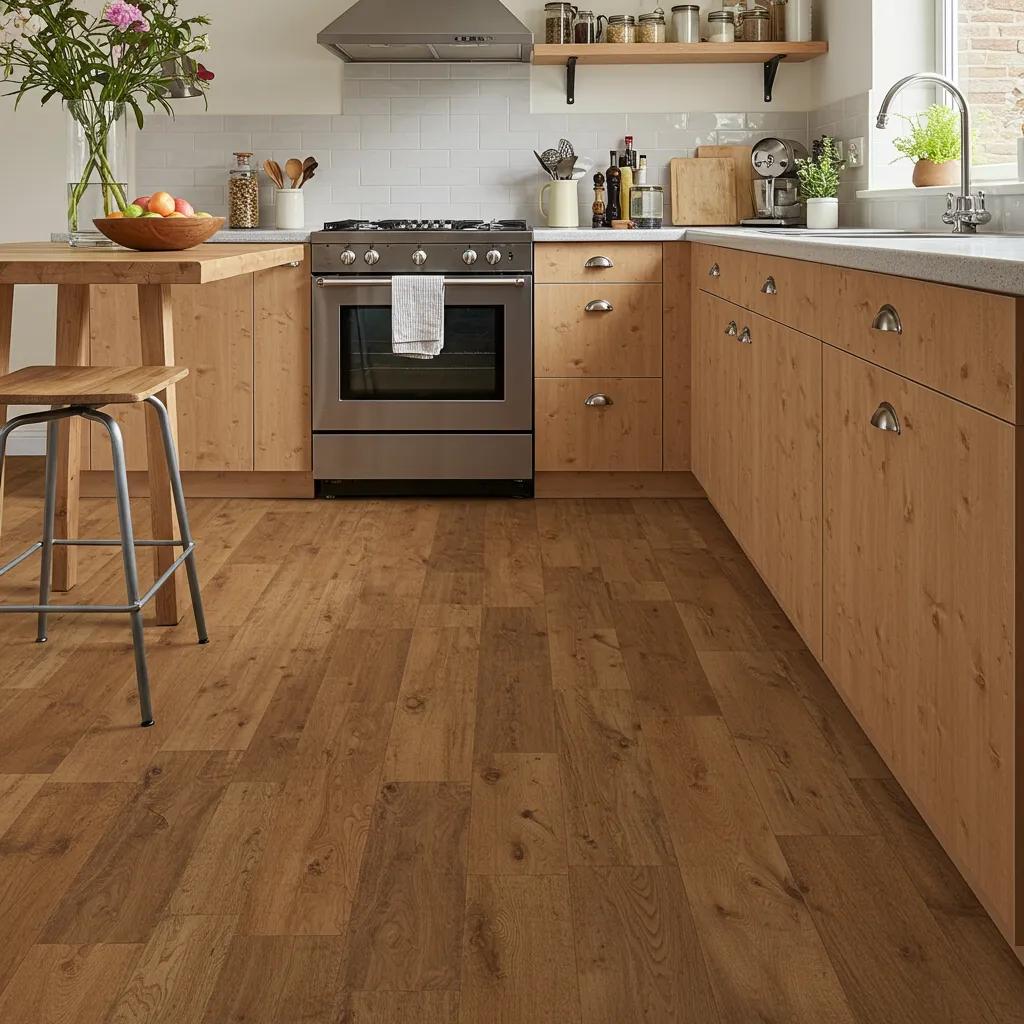
Sustainable flooring choices include bamboo, cork, recycled-content luxury vinyl plank, and responsibly sourced or reclaimed wood—each with trade-offs in humidity tolerance and maintenance that matter for Fort Lauderdale homes. Eco-friendly LVP made with recycled content can combine sustainability claims with waterproof performance, making it a practical alternative in coastal kitchens. Bamboo and cork offer renewable-material advantages but must be evaluated for local moisture resistance and finish systems to ensure durability. This section compares sustainability attributes and climate suitability so homeowners can choose greener options without compromising long-term performance.
Which Eco-Friendly Materials Are Suitable for Fort Lauderdale Kitchens?
Bamboo (strand-woven) and cork deliver renewable-material benefits and comfortable underfoot properties, though their suitability depends on finish quality and moisture-resistant treatments to withstand humidity. Recycled-content luxury vinyl offers a strong sustainability profile while maintaining waterproof cores that perform well in salt-air environments. Reclaimed wood can be a desirable aesthetic choice if properly stabilized, sealed, and installed over an appropriate subfloor. When selecting eco-friendly materials, prioritize moisture-performance specifications, manufacturer transparency about recycled content, and finish systems designed for coastal conditions.
| Material | Sustainability Attribute | Suitability for Fort Lauderdale |
|---|---|---|
| Bamboo (treated) | Rapidly renewable | Conditional — needs moisture-stable construction and sealing |
| Cork (water-resistant finish) | Renewable, carbon-sequestering | Conditional — regular sealing recommended |
| Recycled-content LVP | Uses recycled materials | High — often fully waterproof and stable |
| Reclaimed wood | Low embodied energy | Conditional — requires stabilization and sealing |
This table clarifies which sustainable options balance green credentials with climate resilience; recycled-content LVP often provides the best mix of sustainability and durability for coastal remodels.
How Do Laminate and Concrete Flooring Compare as Kitchen Alternatives?
Laminate and polished concrete present budget and aesthetic alternatives with distinct performance profiles: laminate offers cost-effective wood-look options but historically varies in water resistance, so water-resistant or waterproof laminate selections are necessary for kitchens. Concrete provides a durable, low-maintenance surface that suits modern and coastal aesthetics but requires professional sealing to resist staining and salt-air effects and may feel cold or hard underfoot. Installation and thermal comfort considerations—such as adding rugs or radiant heating—affect livability; choose based on desired look, maintenance tolerance, and comfort strategies.
- Laminate pros: Budget-friendly, convincing wood-look options when water-resistant.
- Laminate cons: Water resistance varies; choose quality cores and sealed edges.
- Concrete pros: Extremely durable, seamless modern look, low maintenance when sealed.
- Concrete cons: Cold and hard underfoot; requires sealing and professional finishing.
These practical comparisons guide homeowners toward alternative materials that balance sustainability, cost, and coastal performance.

- Remodeling Kitchen Floor Plans: Which Layout Works Best for Your Fort Lauderdale Home? - December 2, 2025
- How to Select the Perfect Kitchen Countertops: A Complete Guide to Materials, Costs, and Installation - December 2, 2025
- Best Kitchen Flooring Options for Stunning Remodeling Results in Fort Lauderdale - November 6, 2025